
Boswa; The shadow of my mother
2026
“Boswa: The shadow of my mother,” investigates the dialogue between the womanhood I inherited from the women in my family and the womanhood constructed through the Setswana language and cultural expectations. Proverbs like “ Mmangwane o tshwara thipa ka fa bogaleng” are part of a language through which I first encountered ideas of womanhood. In this body of work, I question the tension between the social conditioning and the lived experiences of the matriarchs in my life. I was raised within a matriarchy, but society rarely reflected the agency and strength they possessed. The agency I learned from the women in my life was often questioned and stood in contrast to what was expected of me.
The body of work begins with photographs of my grandmother, “Sekhane,” and my mother, “Morweetsana.” I was particularly drawn to these images because of the agency so present in my family photographs. Their gazes, postures, and presence inspired me to investigate how women occupy space & assert themselves. As an ode to the matriarchs who raised me, it felt necessary for them to serve as the foundation of the body of work. The triad of Grandmother, mother, and daughter became especially important, as it is the lineage I find myself oscillating between rather than the conventional Father, Mother & daughter. This lineage of women became a way of examining inheritance, identity, and how womanhood is carried across generations.
The photographs function as both an archive and an active participant in the work. It was equally important to me for the paintings to be in dialogue with each other and with the photographs. By maintaining a consistent colour palette tied to the photographs, I kept the conversation closely connected to the initial inquiry that inspired the body of work.
At the heart of this conversation is agency, and I use the gaze to expand on it. Historically in art, the gaze has been a benchmark of power and self-possession, and it became central to my questioning of agency and self-authorship. In the self portrait “Katlego,” the subject's gaze meets the viewer directly, and instead of performing subservience like in Boikokobetso, I assert myself without a need to perform any role. I felt as though this represented myself quite accurately and the woman I inherited from the long lineage of women in my family.

Boswa: The shadow of my mother. Installation view at blank projects, Cape Town

Boswa: The shadow of my mother. Installation view at blank projects, Cape Town

Boswa: The shadow of my mother. Installation view at blank projects, Cape Town

Boswa: The shadow of my mother. Installation view at blank projects, Cape Town
Selected work
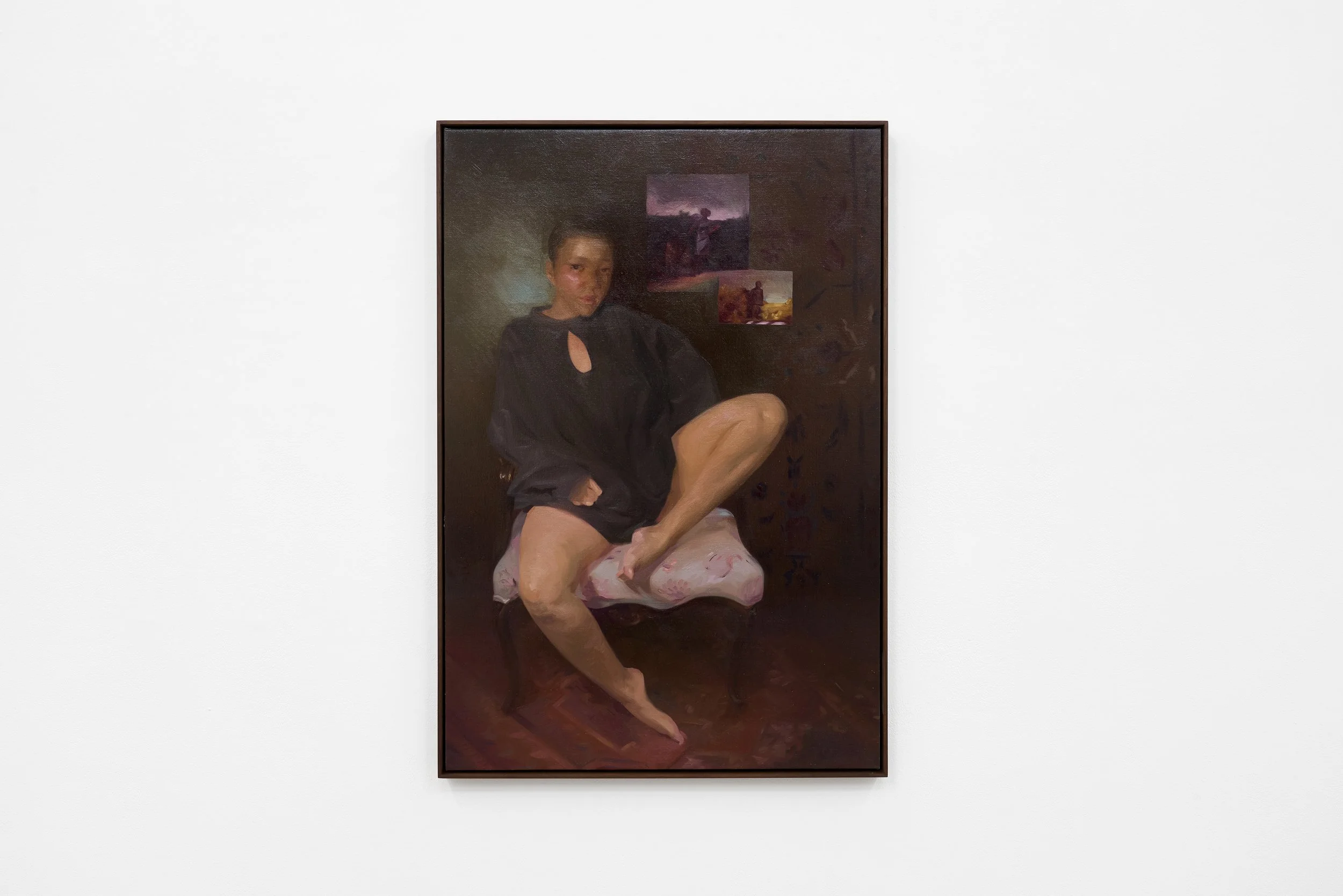
Katlego, oil on linen canvas, 109 x 73 cm, 2026
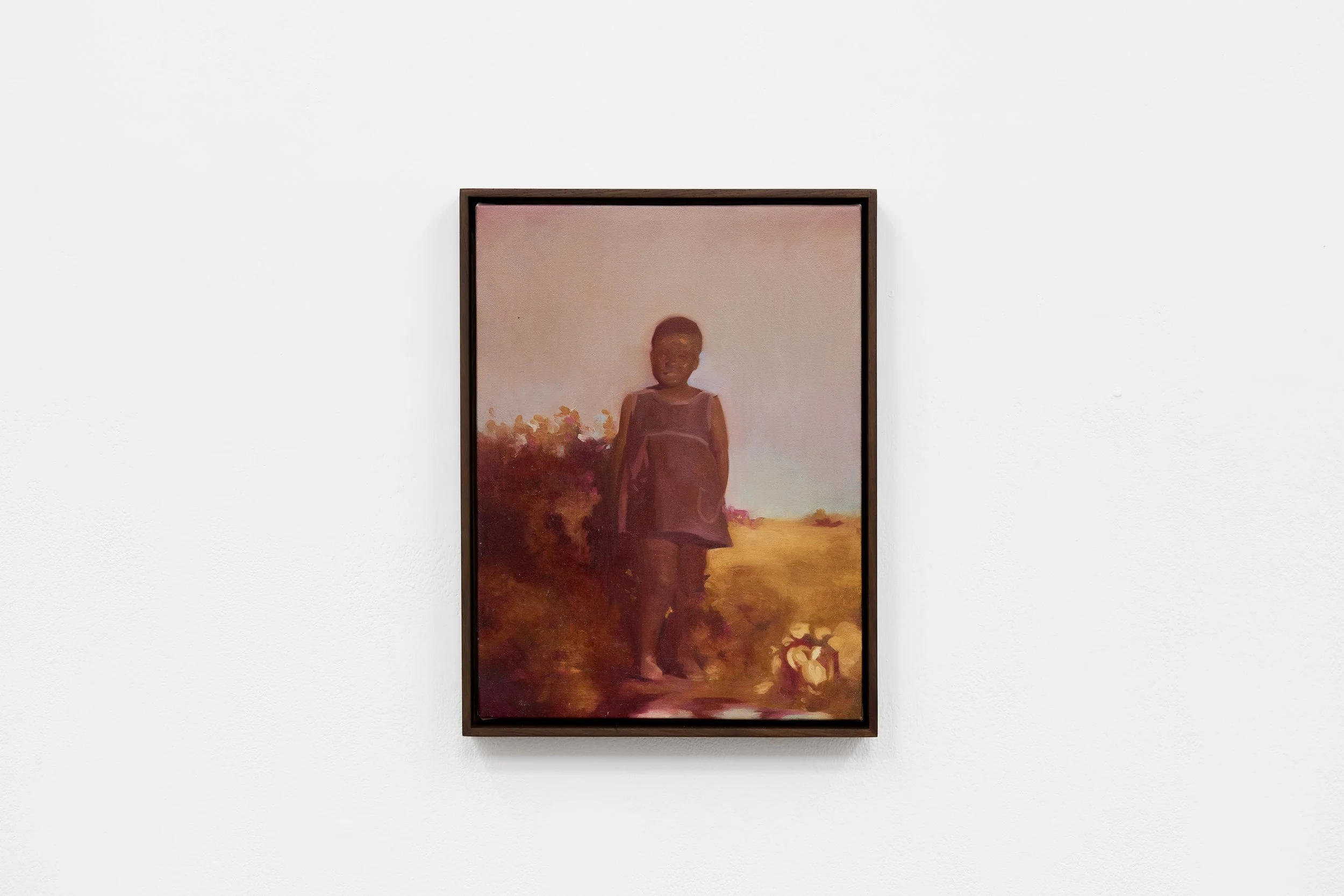
Morweetsana, oil on linen canvas, 41 × 30 cm, 2026
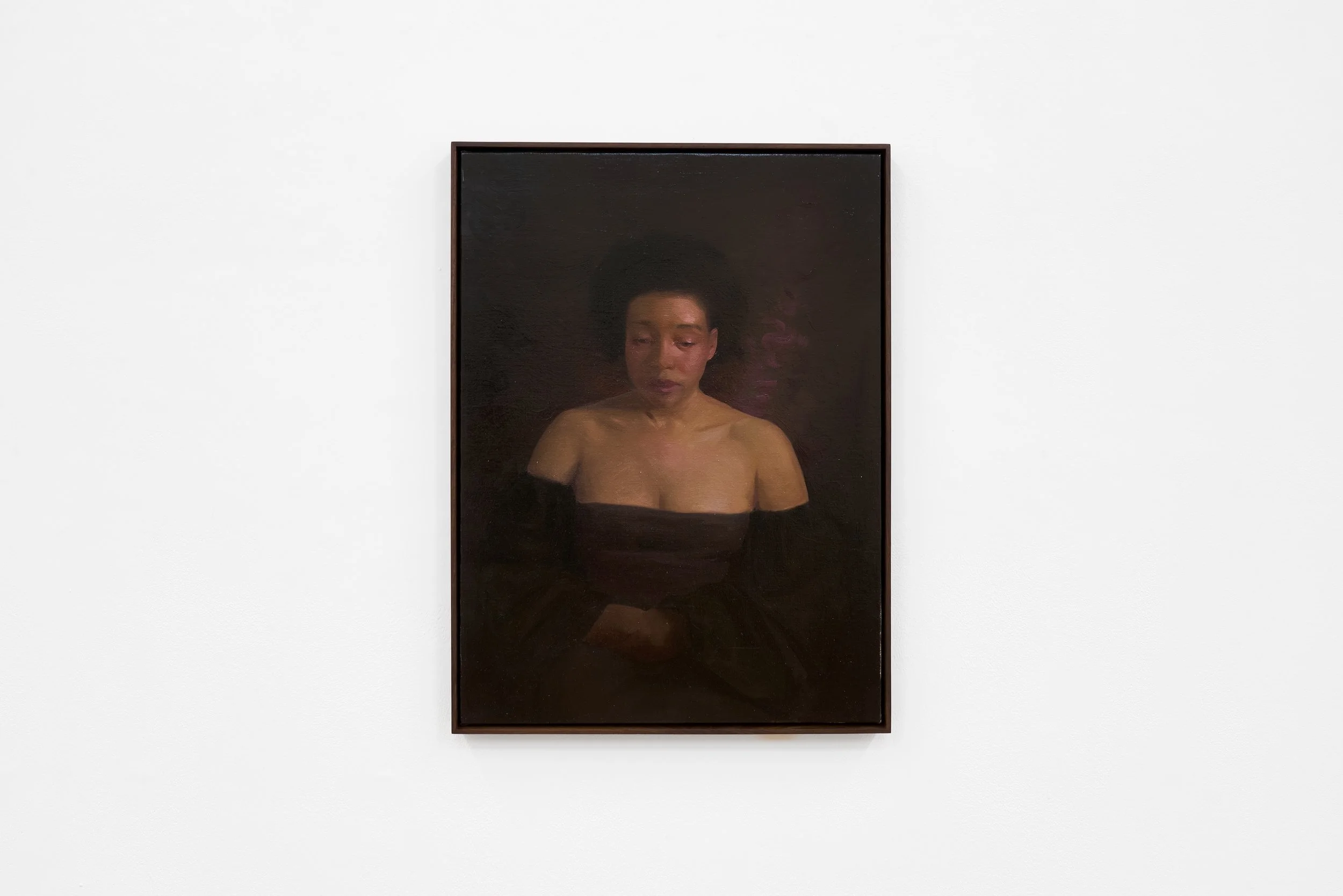
Boikokobetso, oil on linen canvas, 76 × 56 cm, 2026
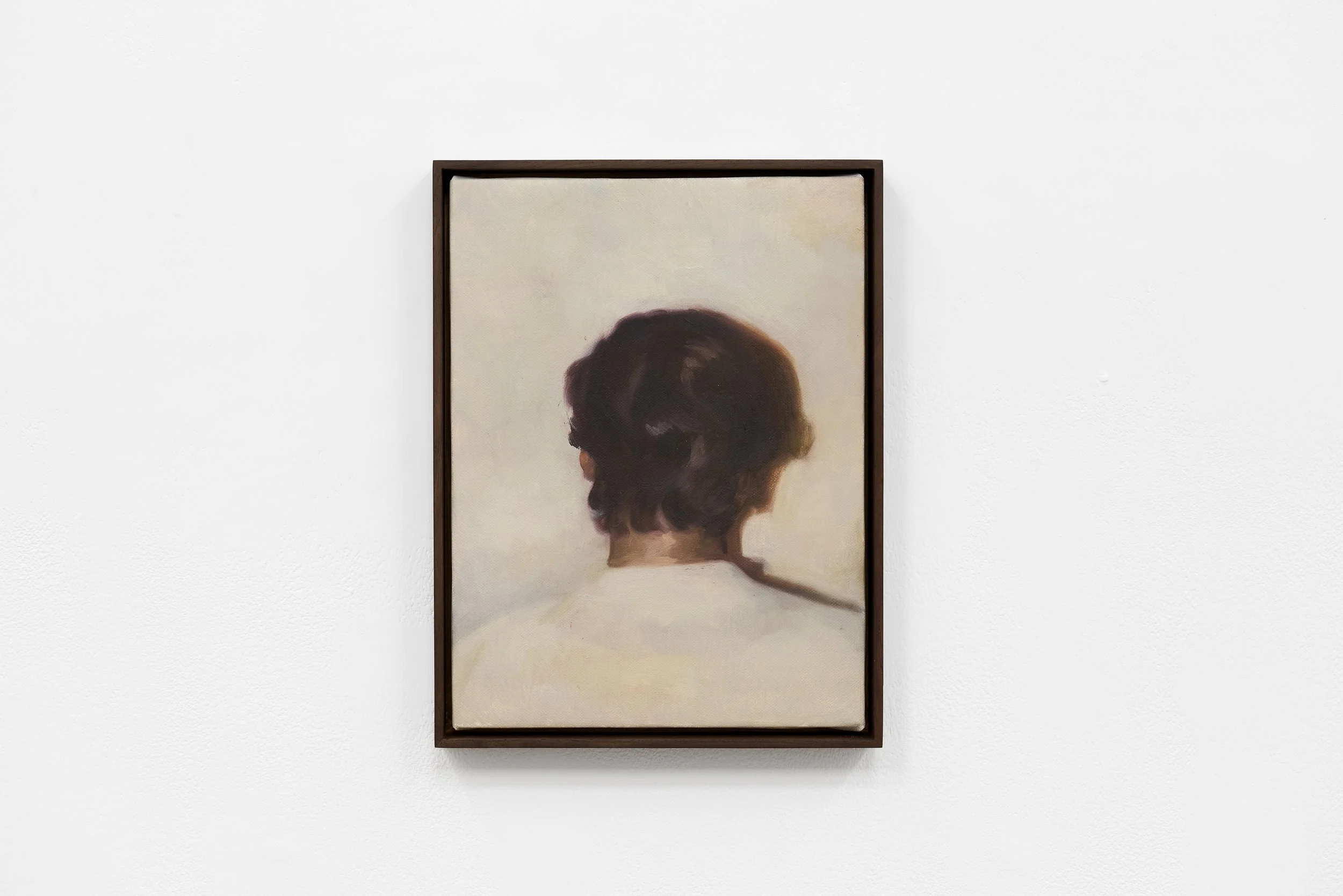
Diatla tsa ga mama, Oil on linen canvas, 43 x 35 cm, 2025